The Ravello Foundation, in collaboration with Galleria Lia Rumma, presents "Women of Antiquity" by Anselm Kiefer, at Villa Rufolo from July 11 to August 26, 2025, as part of the Ravello Festival 2025.
The project focuses on one of the most recurring themes in Anselm Kiefer's research: the female figure as a generative, destructive, or initiatory force. "Women of Antiquity," inspired by protagonists of Roman history, Greek mythology, and Nordic traditions, are represented as archetypal or symbolic presences.
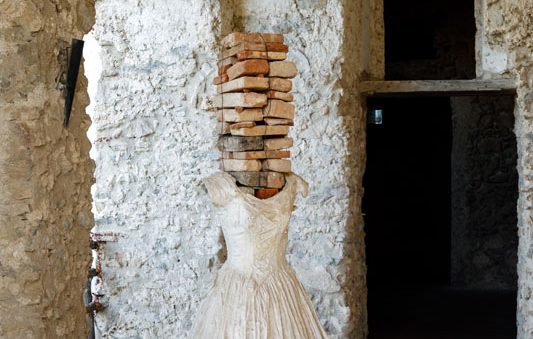
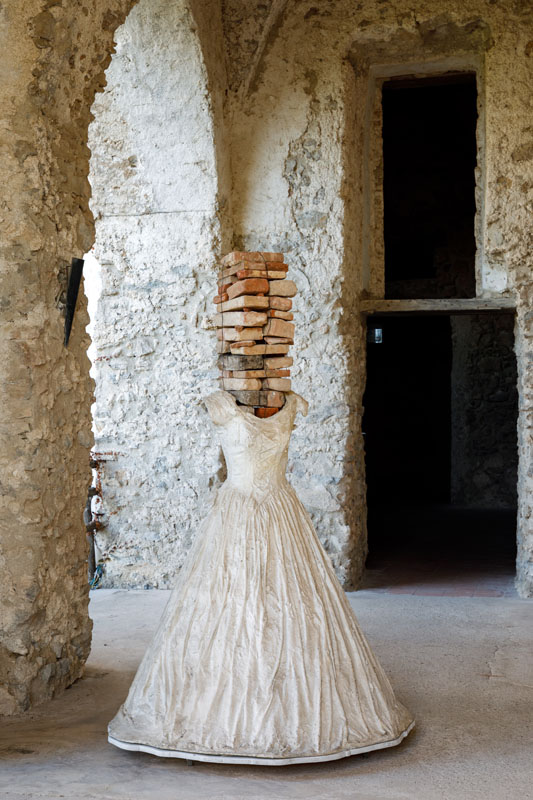
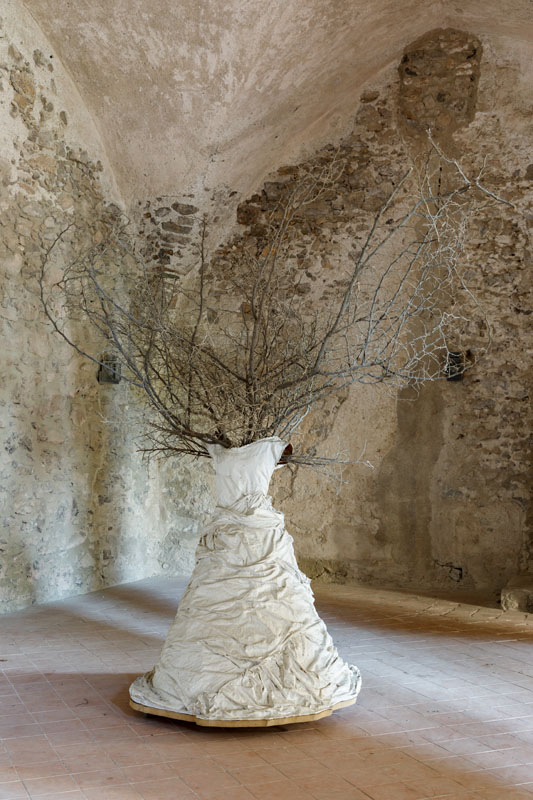
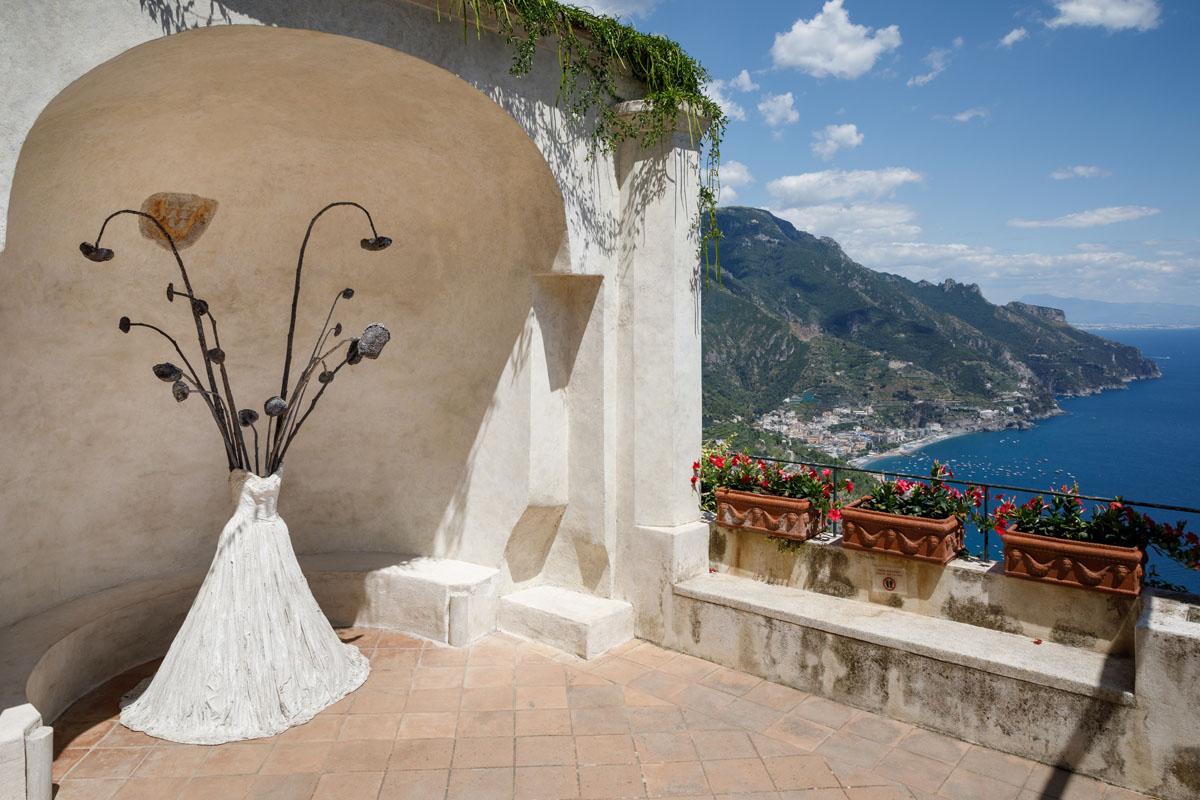
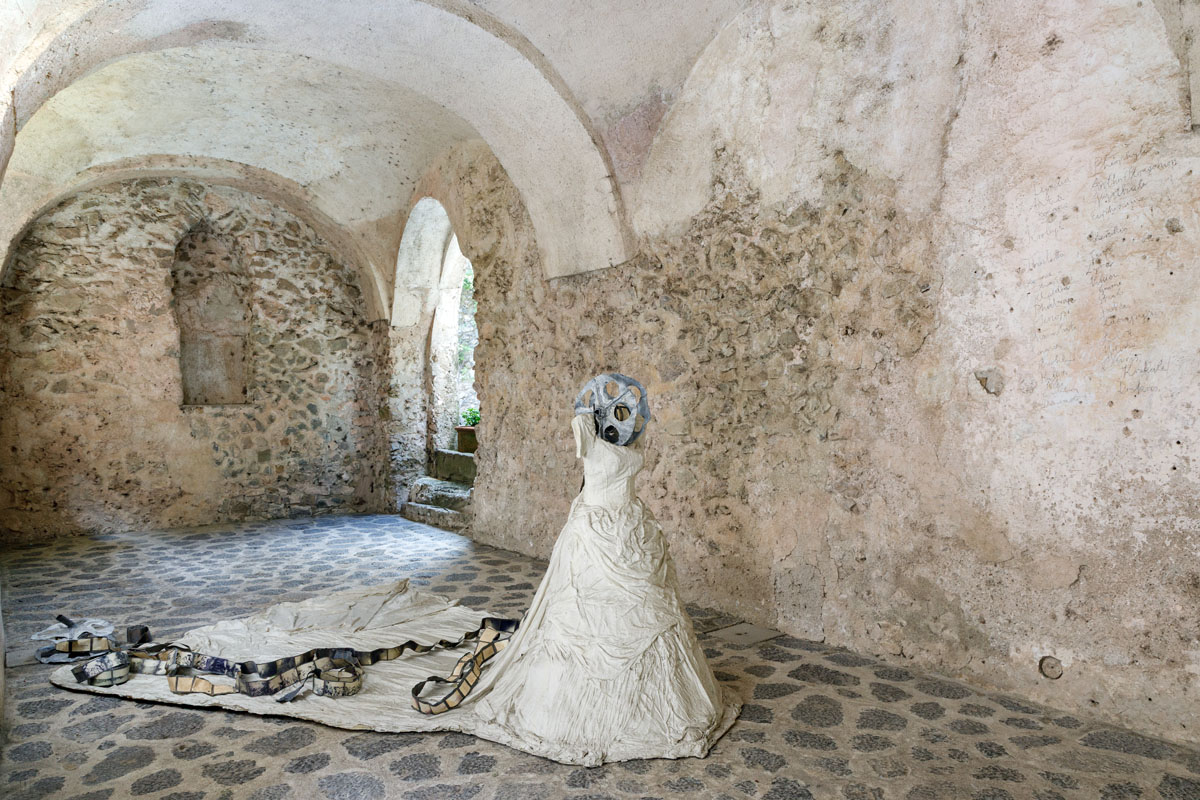
Evoked names, faceless or fragmented bodies, absent heads or heads replaced by objects such as books, lead, or barbed wire, garments stiffened in plaster, ritual vestiges, suspended between ruin and monumentality. These figures inhabit a time outside chronology and challenge any linear narrative of power and knowledge.
The exhibition path unfolds through the spaces of Villa Rufolo and its historic garden, designed by Francis Nevile Reid in the 19th century. The villa's stratified architecture—with its halls, loggias, and views over the coastal landscape—enters in dialogue with the works, emphasizing their scenic and metahistorical dimension.
"Women of Antiquity" brings together several female figures from history and myth. Among them is Paete evoking the gesture of Arria, a Roman matron who strikes herself in the belly while pronouncing to her husband the famous phrase: "Paetus, non dolet" (Paetus, it does not hurt). Also featured is Tusnelda, wife of Arminius, taken to Rome as a prisoner and described by Tacitus as a proud and courageous woman. Turning again to history, Apollodors Liste, with its long train that accommodates the unfolding of a lead coil on which a series of photographs of ruined architectures or other symbolic elements from the artist’s practice, becomes an evocative metaphor—a visual, sculptural catalogue of cultural memory, loss, and continuity evoking the burden of history, the persistence of myth, and the cyclical nature of time.
Ave Maria Turris Eburnea, “Holy Mary, Tower of Ivory”, an invocation from the Litany of Loreto, is a poetic metaphor which exalts the Virgin Mary’s purity, nobility, and spiritual elevation through the image of an ivory tower—an emblem of beauty and inviolability. While Gezabele evokes the biblical figure of Jezebel: as queen of Israel, she introduced Baal worship and persecuted the prophets of Yahweh, ultimately meeting a brutal end—thrown from a window and devoured by dogs.
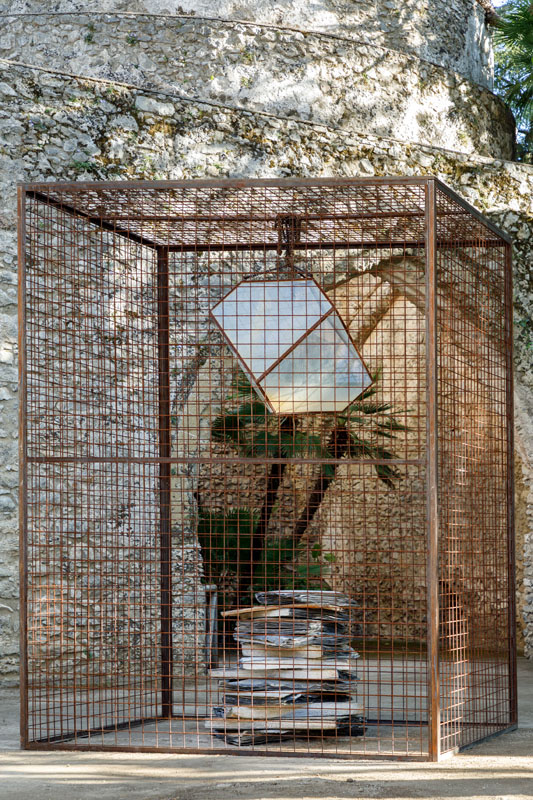
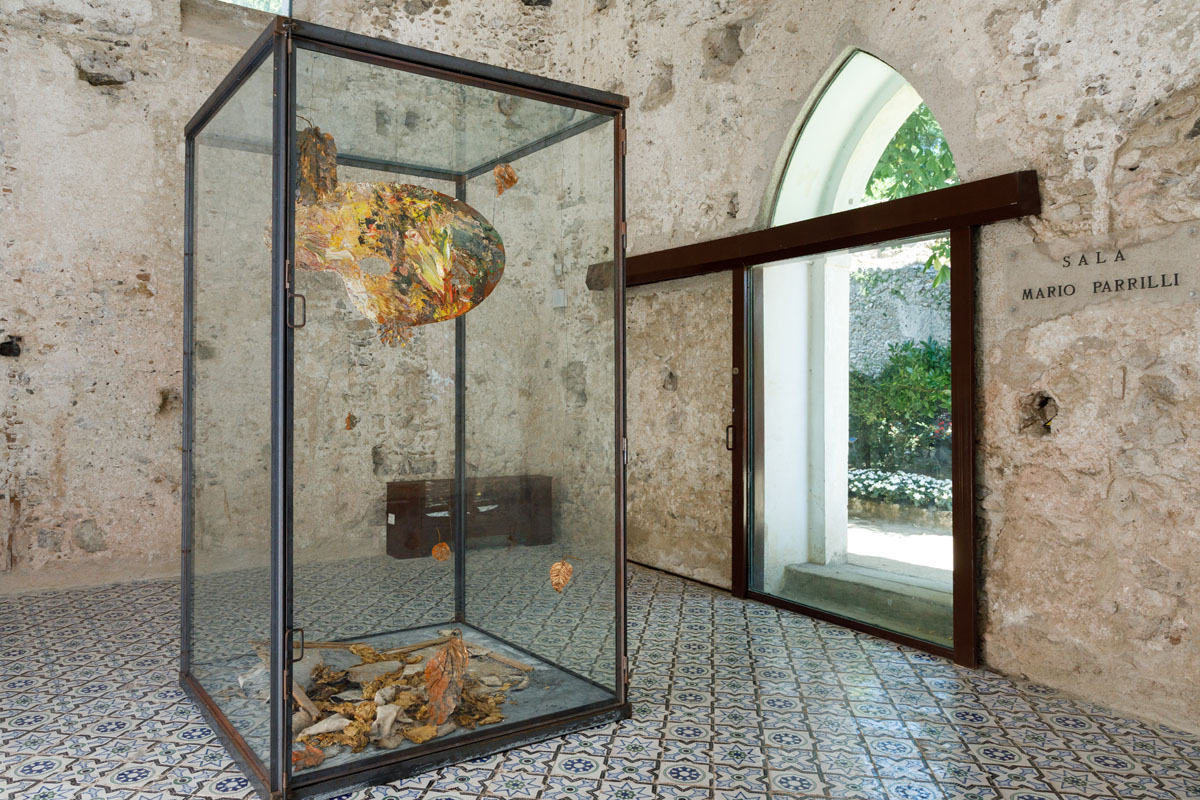
Completing the exhibition is a series of glass vitrines, emblematic of Kiefer’s artistic language. These cases enclose heterogeneous, organic materials—ash, iron, lead, leaves, terracotta, flowers, plants, and handwritten texts. “The glass of the vitrines,” Kiefer explains, “is in a way a semi-permeable skin that connects art with the outside world in a dialectical relationship.” Their contents, like relics viewed from a distance, allude to an ongoing creative process and summon layers of meaning drawn from mythology, poetry, philosophy, and Jewish mysticism.
Ravello, a city that has always been linked to great culture, has welcomed over time central figures of thought, art, and music—from Richard Wagner to Gore Vidal. In this context, the presence of Anselm Kiefer—an artist whose work has interrogated memory, history, and the form of knowledge—fits into an ideal continuity between past and present.
Anselm Kiefer
ANSELM KIEFER | Ravello Festival 2025, 73° Edition | Le Donne dell'Antichità | Villa Rufolo, Ravello
- Artista
- Anselm Kiefer
- Data
- 11 luglio – 26 agosto
- Location
- Villa Rufolo, Ravello
Photo Gallery
L'artista

Anselm Kiefer was born in 1945 in Donaueschingen, Germany; he lives and works in Paris. Solo exhibition has been dedicated to Anselm Kiefer since the beginning of his carrier by prestigious museums among which: Kunsthalle, Bern (1978); Stedelijk Van Abbemuseum, Eindhoven (1979); Groniger Museum, Gronigen (1980); Museum Folkwang, Essen (1981);